SEO-Friendly Copy That Still Sounds Human: A Weekly Blog Formula
Most people think SEO-friendly copy means writing for algorithms. That’s how you end up with posts that feel stiff, repetitive, and strangely unnatural. The good news: modern SEO rewards content that sounds human—because content that sounds human gets read, shared, and trusted.
This weekly blog formula helps you publish consistently while keeping your writing clear, helpful, and aligned with what searchers actually want.
1. Start with intent, not keywords
Before you write, ask: What is the reader trying to do? Are they learning (informational intent), comparing options (commercial), or ready to act (transactional)? Your post should match that intent from the title to the conclusion.
Pick one primary keyword phrase only after you know the intent. Then use it naturally—once in the title, once in the intro, and once in an H2 where it fits.
Question to guide you: If this post ranks #1, what problem does it solve best?
2. Use a consistent weekly structure
Consistency isn’t boring—it’s calming. Readers learn how to navigate your posts. Here’s a structure you can repeat every week:
- Intro: hook + promise + who it’s for
- H2 #1: why it matters
- H2 #2: the step-by-step method
- H2 #3: examples or a mini-case
- H2 #4: checklist
- Conclusion: summary + next step
This format makes your content skimmable and reduces decision fatigue when you’re publishing weekly.
3. Write like you talk—then polish for clarity
Draft in a natural voice first. Then edit with three goals: shorten sentences, remove filler, and make each paragraph earn its spot.
A great trick: read your intro out loud. If it sounds awkward, it will feel awkward to readers too.
Have you ever clicked a post and instantly felt it was written “for Google”? That’s what we’re avoiding.
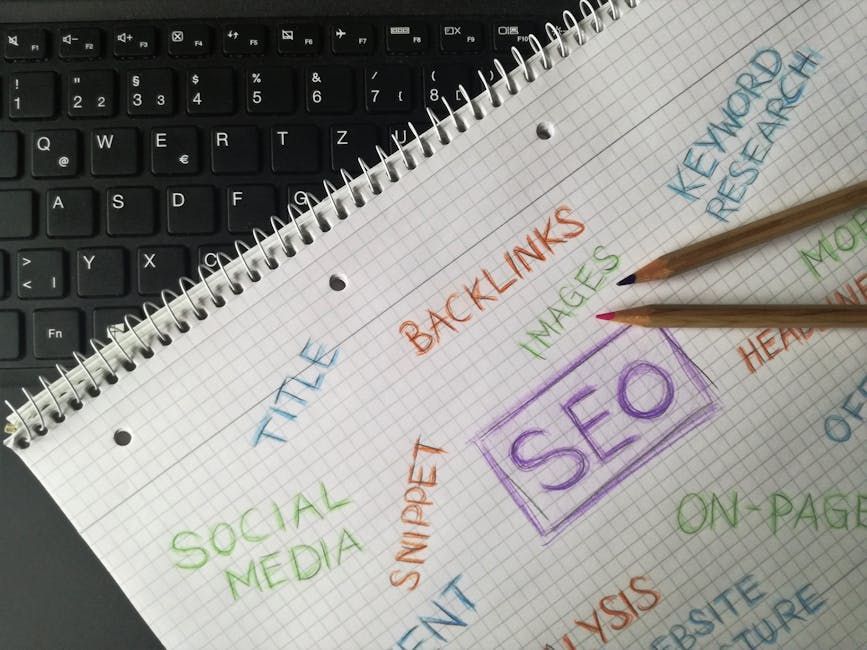
4. Add SEO signals without stuffing
SEO signals should be subtle:
- Descriptive H2s that mirror the reader’s questions
- Internal links to 2–4 related posts or pages
- A meta description that promises a clear benefit
- One image with a helpful alt description
These elements make the page easier to understand for both people and crawlers.
5. End with one clear action
Weekly blogs perform best when they lead somewhere: a related post, a service page, a lead magnet, or a contact form. Keep it helpful, not salesy. Suggest the next logical step.
Conclusion
SEO-friendly copy doesn’t have to sound robotic. Build each post around intent, use a consistent structure, and write naturally first. Then add SEO elements as signposts—not as the main event.
If you want momentum, commit to the weekly formula for a month. You’ll feel the difference in speed, clarity, and results.